
Family Law & Divorce Attorneys in Denver
Dedicated Family Law Representation in Colorado
Legal challenges that affect your family can feel overwhelming. At Moreno Family Law, LLC, we focus on helping individuals and families throughout Denver County with compassion, clarity, and a strong commitment to personalized legal care. We know the ins and outs of the local court system, and we’re familiar with the expectations of the judges and court staff. From divorce to custody modifications, we understand that no two families are alike, so your legal plan shouldn’t be either.
When you work with divorce attorneys Denver County residents trust, you are not handed a one-size-fits-all plan or treated like a case number. We take time during our first meetings to learn about your family’s routines, your financial picture, and the history that led you to consider legal action. By understanding these details, we can give you clearer expectations about the road ahead, including the types of hearings that may be scheduled, the documents you will need to gather, and the choices you will be asked to make at each stage.
We also recognize that most people going through a separation or custody dispute have never set foot in a courtroom before. We explain how Colorado family law applies to situations in Denver County in plain language, helping you understand how judges typically view issues like parenting time, support, and property division. This education-focused approach allows you to participate in your case with confidence instead of feeling lost in legal jargon.
Start with a one-on-one consultation to discuss your situation and learn how we can help. Contact us at (303) 590-3690 to speak with our experienced family law and divorce lawyers in Denver.
Local Courts and Legal Procedures
If your case will be heard in Denver County, you’ll likely interact with the Denver District Court, located downtown at 1437 Bannock Street. Our firm has extensive experience navigating local court procedures in Denver County, including preparing and filing required documents and guiding clients through hearing preparation. We often help clients prepare for court logistics, including finding parking downtown, navigating the courthouse security process, and planning for potential wait times.
Familiarity with the judges, staff, and flow of these legal proceedings allows us to offer more focused, locally relevant representation.
For many clients, the first significant step in a case is filing an initial petition or response with the clerk’s office. We walk you through how deadlines are calculated under Colorado rules so that paperwork is submitted on time and in the correct format. In matters such as divorce or allocation of parental responsibilities, we also explain what to expect at temporary orders hearings, status conferences, and mediation sessions that are commonly scheduled in Denver County cases.
Because the courthouse serves people from every neighborhood in the city, hearing dockets can be crowded and move quickly. We help you prepare in advance so you know when you will be expected to speak, what documents to bring, and how to present yourself to the court. By rehearsing your testimony and clarifying your goals before you walk into the courtroom, we reduce last-minute stress and help make your time before the judge as productive as possible.
Family Law Services for Denver-Area Clients
At Moreno Family Law, LLC, our services are centered on resolving family legal matters while protecting your rights and promoting peace of mind. Here’s how we help:
Divorce Representation
Our firm handles both contested and uncontested divorces, addressing the division of assets, debts, and financial support arrangements. We focus on resolving disputes with as little conflict as possible while advocating for fair outcomes that reflect each client’s goals.
When you hire a divorce lawyer Denver County families can rely on, you gain guidance on the strategic choices that can shape your financial and parenting future for years to come. We discuss options such as reaching a full agreement through negotiation, using mediation to narrow disputes, or proceeding to a contested hearing when settlement is not realistic or safe. Throughout the process, we pay attention to details that are easy to overlook in the middle of a difficult separation, including how to divide retirement accounts under Colorado law, how to address tax consequences of support, and how to create temporary arrangements that keep bills paid while the case is pending.
We also help clients think through practical questions that go beyond the court forms. For example, if one spouse plans to remain in a Denver home and refinance the mortgage, we talk through timelines, possible appraisal needs, and what to do if financing falls through. By addressing both legal and day-to-day issues, we aim to reduce surprises and help you move into the next chapter of your life with a clearer plan.
Child Custody and Parenting Time
We support parents through legal decision-making and physical custody arrangements that promote stability for children and clarity for parents. In Denver, shared parenting arrangements are common, especially when both parents live in proximity, such as Wash Park, City Park, and Stapleton.
Our team builds parenting plans that consider the city’s dense urban layout, school zoning boundaries, and travel time. We often assist families whose custody schedules must align with Denver Public Schools (DPS) calendars or charter school enrollment zones like Denver School of Science and Technology (DSST) or Denver Language School.
In addition to weekday and weekend schedules, we help parents create thoughtful plans for holidays, school breaks, and transportation responsibilities. Traffic patterns on I‑25, I‑70, and major surface streets can influence what exchange times are realistic, especially for parents who work in downtown Denver but live in outlying neighborhoods. We discuss how extracurricular activities, childcare needs, and a child’s developmental stage might affect whether a week-on/week-off schedule, a 2‑2‑3 rotation, or another structure is more appropriate for your family.
When parents disagree about decision-making authority for education, medical care, or religious upbringing, we explain how courts in Denver County tend to evaluate best-interest factors. We encourage parents to focus on what will keep children safe, supported, and connected to both sides of their family whenever possible. For families dealing with safety concerns or high conflict, we also talk about tools such as supervised parenting time, neutral exchange locations, and communication apps that can reduce direct conflict between adults.
Child Support Guidance
From initial child support determinations to enforcement and modifications, we offer guidance grounded in Colorado’s child support statutes and Denver County practices. We help make sure calculations reflect both legal standards and your family’s day-to-day realities.
We explain which income sources are typically included in Colorado’s child support guidelines, how health insurance premiums and work-related childcare factor into the final number, and what documentation you may be asked to provide to the court. For parents who work nontraditional hours, receive bonuses, or have fluctuating gig income common in Denver’s growing service and tech industries, we discuss ways courts may average or document those earnings.
When a job change, a shift in parenting time, or a relocation inside or outside Denver County occurs, we help parents evaluate whether a modification is appropriate and cost-effective. We outline the steps involved in requesting a change so you understand how long the process may take and what interim arrangements might be needed while the court reviews your request.
Spousal Maintenance (Alimony)
We provide legal representation for individuals pursuing or responding to spousal maintenance requests. We evaluate each case based on income, financial needs, and the length of the marriage, while also accounting for cost-of-living factors unique to Denver’s metro area.
Because housing and transportation costs in the Denver area can be high, we talk through realistic post-divorce budgets on both sides before you decide how to approach maintenance negotiations. We explain how guideline ranges are typically applied in Denver County and when courts may consider deviating from those ranges. For higher-income households or marriages of long duration, we also explore creative structures such as step-down maintenance or lump-sum arrangements that may fit your situation.
If you anticipate re-entering the workforce or pursuing additional training after a long period at home, we can discuss how these plans might influence the amount and length of support requested. Our goal is to help you understand the tradeoffs of different proposals so that any agreement or court order supports a stable transition rather than creating unnecessary financial strain.
Property Division Assistance
Equitable property distribution doesn’t always mean equal. We help identify marital and separate assets, offering strategies for resolution that reflect your priorities. In Denver’s highly competitive real estate market, the family home is often the largest asset. We collaborate with local real estate professionals and appraisers to determine fair and practical outcomes.
Beyond real estate, we assist clients in identifying and valuing retirement accounts, stock options, business interests, and other assets that often play a key role in Denver County divorce cases. We talk through whether certain property can or should be offset with other assets, such as trading a share of a 401(k) for a larger portion of equity in a home, and we outline any additional orders that may be required to complete transfers after the decree is entered.
Debt is another important part of property division. We help you understand how joint credit cards, personal loans, student loans, and vehicle financing may be allocated between spouses. Because creditors are not bound by a divorce decree, we discuss practical steps to protect your credit profile, such as refinancing loans or closing joint accounts when appropriate, so that the division ordered on paper can work in real life.
Divorce Settlement Modifications
Your divorce terms may need updates as life circumstances evolve. We help modify parenting plans, support orders, and other settlement terms, especially for families navigating job changes, relocation, or changing school zones within Denver County.
We work with you to review your current orders and identify which portions can realistically be adjusted under Colorado law. For example, a significant change in income, a child’s medical needs, or a move that affects school enrollment may justify revisiting older arrangements. We explain whether you are likely to need mediation before filing a motion with the court and what types of evidence can help demonstrate a substantial and continuing change in circumstances.
Parents often worry that asking to modify an order will completely reopen all issues from their original divorce. We clarify how the court’s focus is usually limited to the areas affected by the change you are describing. By setting clear expectations, we aim to reduce anxiety and allow you to focus on presenting accurate information that supports the specific modification you are requesting.
Protection Orders and Domestic Concerns
We assist individuals seeking protection from domestic violence, as well as those who need to respond to restraining orders. Our team guides you through Denver County’s process for temporary and permanent protection orders with care, discretion, and urgency.
The protection order process moves quickly, often involving a same-day request for a temporary order followed by a short-notice hearing on whether that protection should be continued. We explain how to prepare for each step, whether you are asking the court for safety measures or defending against allegations that could affect your housing, employment, and parenting rights. This may include gathering text messages, emails, photographs, or witness statements that help the judge understand what has been happening in your home.
Because protection orders can impact related family law cases in Denver County, we help you consider how these matters intersect. For example, we discuss how an order might affect parenting exchanges, communication between parents, or the ability to attend children’s activities. Our goal is to pursue safety and fairness while minimizing unintended consequences that could create new challenges for you or your children.
Have questions about divorce, custody, support, or another family law matter? Contact a =Denver County family law attorneys today by calling us at (303) 590-3690 to schedule a consultation.

Our Services
See How We Can Help You


[1].png?quality=100&tiny=False)



We're committed to empowering you to make informed choices for your family and to providing you the highest level of personalized service.
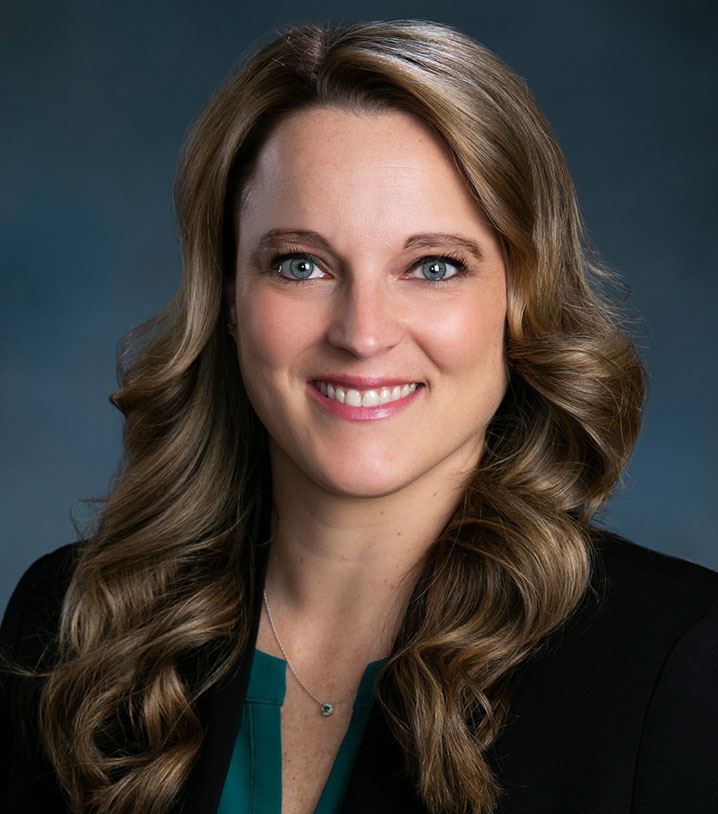
How We Help Denver Families Navigate Legal Change
Every family law case brings its own set of concerns. We work closely with each client to understand the challenges they’re facing and to provide meaningful legal guidance rooted in the realities of life in and around Denver.
From filing custody paperwork to preparing for mediation, our team helps with practical steps that often get overlooked. For example, clients with cases at the Denver District Court often need help understanding deadlines, filing procedures, and courthouse logistics, especially when facing multiple hearings or tight timelines.
We’re also mindful of how the city’s layout, traffic, and commute patterns affect shared parenting agreements and court appearances. Families living in neighborhoods like Green Valley Ranch or University Hills may have very different scheduling needs than those closer to downtown.
Our approach includes:
- Tailored legal strategies based on your family’s structure and goals
- Communication that keeps you informed without overwhelming you
- Preparation of legal forms, disclosures, and court-ready documentation
- Representation during hearings, settlement discussions, and post-decree modifications
- Flexibility to adapt to life changes, whether it’s a move, a new job, or a shift in school schedules
As family law attorneys Denver County residents can turn to for guidance, we view our role as both legal advocate and practical problem-solver. That means helping you anticipate how a proposed agreement will work six months or a year down the road, not just whether it looks acceptable on the day it is signed. We routinely walk through sample weekly schedules, budget scenarios, and "what if" situations so you can see how different choices might affect your children, your housing, and your financial stability.
We also understand that legal change does not happen in a vacuum. Many clients are managing new work schedules, emotional stress, and shifting relationships with extended family at the same time they are attending court hearings. We check in about these broader pressures and adjust our communication style accordingly, whether that means summarizing complex options in writing, scheduling calls outside standard business hours when possible, or coordinating with therapists and financial professionals who are part of your support network.
Our Divorce & Family Law Process in Denver County
When you are considering hiring a family attorney in Denver County offers many choices, and it can be hard to know what the actual process will look like once you make that call. We aim to make each step predictable so you understand what is happening and why. From the first consultation through the final order, we follow a clear sequence that keeps your case moving while still allowing room for thoughtful decisions.
We begin with an in-depth intake meeting where we review your background, urgent concerns, and long-term goals. After that conversation, we outline an initial strategy that may include gathering financial documents, requesting temporary orders, or preparing for mediation, depending on your situation. Throughout the case, we provide regular updates about filings, deadlines, and court dates, and we set expectations before every major event so you are never walking into a hearing or negotiation unprepared.
As your matter progresses, we revisit your objectives and adjust our approach if circumstances change, such as a new job, a planned move, or emerging concerns about your child’s needs. We also make time to debrief after each court appearance or settlement discussion, reviewing what happened and what it means for the next phase. This structured yet flexible process is designed to reduce uncertainty and help you feel that your case is not just happening to you, but that you have an active role in the decisions being made.
Working With Moreno Family Law, LLC: Communication and Expectations
Choosing a family law lawyer Denver County residents can feel comfortable contacting with difficult questions is as much about communication style as it is about legal knowledge. We believe that you should always know how to reach your legal team and what to expect in terms of response times and updates. Clear expectations on both sides help build the trust that is essential during stressful family transitions.
From the outset, we discuss preferred methods of communication, whether you are more comfortable with phone calls, email, or secure online messaging. We explain how often you can expect to hear from us, which types of developments will trigger an immediate update, and when we might need more time to research an issue before responding. We also encourage you to keep a running list of questions so that we can address several items efficiently during scheduled check-ins.
Because legal fees are a practical concern for most people, we explain how time is billed and offer suggestions for keeping costs manageable, such as organizing documents before sending them and consolidating non-urgent questions. Our goal is to create a working relationship in which you feel informed and respected, with no confusion about how decisions are made or how your resources are being used on your case.
Frequently Asked Questions
How long does a typical divorce case take in Denver County?
The timeline for a divorce varies based on the level of conflict, the complexity of assets, and court scheduling. Colorado has a mandatory waiting period before a court can enter a final decree, and additional time may be needed if there are disputes about parenting time, support, or property division. Many cases resolve through negotiated agreements, while others require one or more court hearings, which can extend the overall duration.
Do I have to go to court for every family law issue?
Not every family law matter requires multiple in-person court appearances. Some issues can be addressed through written filings, remote hearings, or agreements submitted to the court for approval. However, certain stages, such as temporary orders or contested final hearings, may require your attendance so the judge can hear directly from you about your circumstances and goals.
What should I bring to an initial consultation about my case?
It is helpful to bring any existing court orders, recent financial documents, and a list of your main questions or concerns. If you have been served with papers, bringing the entire packet allows the attorney to see deadlines and specific claims. You do not need to have every detail organized before the meeting, but having key documents available can make the discussion more productive.
Can existing parenting plans or support orders be changed later?
Parenting plans and support orders can sometimes be modified when there has been a substantial change in circumstances, such as a new work schedule, a significant income shift, or a child’s evolving needs. The court will consider whether the requested change is in the best interests of the child and whether it meets legal standards for modification. It is important to review your current order and discuss your situation before deciding which steps to take.
Why Clients Across Denver Choose Us
- Focused on Family Law - We focus exclusively on family law, allowing us to stay up to date on changes in Colorado statutes and local procedures. This concentrated approach helps us better serve people going through divorce, parenting disputes, or support modifications across Denver.
- Experience With Denver County Courts - Because we regularly handle cases filed in Denver County, we’re familiar with the expectations and preferences of the judges and staff. Whether it’s understanding how magistrates approach temporary orders or how parenting plan templates are applied, this background allows us to prepare accordingly.
- Personal Legal Support - From your first conversation with us, you’ll work directly with a family law attorney, not just a case manager or assistant. We value clear, personal communication and aim to keep you in the loop at every step.
- Straightforward Communication - Family law is already emotionally taxing. We explain your legal options in plain language, offering pros and cons to help you weigh decisions confidently, whether you’re preparing to file a petition or responding to a motion filed against you.
When you choose a family lawyer Denver County families feel comfortable talking to, you should feel that your questions and concerns are taken seriously. We invite you to share not only the facts of your case but also your priorities for the future, such as remaining in a particular school community, preserving important relationships for your children, or protecting a family-owned business. By aligning our legal strategy with these goals, we are better able to recommend whether to pursue settlement, mediation, or court intervention at different points in your case.
Clients also appreciate that we are honest about the range of possible outcomes rather than promising a specific result. We talk openly about the strengths and challenges in your situation, how judges in Denver County have approached similar issues, and what steps you can take to present your position as clearly as possible. This transparency helps you make informed decisions about settlement offers and prepares you for the realities of litigation if an agreement cannot be reached.
Proudly Serving the City and County of Denver
Moreno Family Law, LLC supports clients from neighborhoods across Denver, including:
- Capitol Hill
- Park Hill
- Highlands
- Cherry Creek
- Five Points
- Washington Park
We’re familiar with how local factors shape family law decisions. From housing trends that influence property division to school zoning that affects parenting schedules, we take a practical approach based on the realities families face throughout the city.
Because families in different parts of Denver may face different pressures, we pay attention to the context surrounding your legal questions. Rising rents in central neighborhoods, competitive markets for single-family homes, and varying access to public transportation can all play a role in what solutions will truly work for your household. We talk through how potential outcomes might affect your ability to remain in your current neighborhood, access your children’s schools, or commute to work.
We also recognize that Denver County serves a diverse population with many cultural backgrounds and family structures. We approach each case with respect for your values and traditions, whether you are navigating a blended family, co-parenting after a non-marital relationship, or working to maintain connections with extended relatives who live elsewhere in Colorado or out of state. Our goal is to help you craft arrangements that reflect both legal requirements and what matters most to your family.
Book a Consultation in Denver
If you're facing a divorce, custody dispute, or another family law matter in Denver County, having the right legal guidance can make a big difference. We offer consultations by appointment and work with clients in person, by phone, or virtually—whichever option fits your needs best. Whether you're just beginning to consider legal action or you're responding to a change in your current agreement, we're here to help you take the next step with confidence.
During your consultation, we will ask questions about your family, your immediate concerns, and what you hope life will look like after the legal process is over. We then outline potential paths forward, including what a typical timeline might be for a case like yours in Denver County and which documents you should begin gathering. This conversation is also an opportunity for you to decide whether our firm is the right fit for you and to learn what it would be like to work together.
If you decide to move ahead, we explain our communication practices, anticipated stages of your case, and how fees will be structured so there are no surprises. Our intention is that you leave the consultation with greater clarity, even if you are not yet ready to file anything with the court. Taking this first step can reduce uncertainty and help you feel more prepared for the choices ahead.
Call us at (303) 590-3690 or fill out our online form to schedule your consultation. Moreno Family Law, LLC serves individuals and families throughout Denver County and surrounding communities.



Why Choose Moreno Family Law, LLC?
-
Virtual Consultation Available
Meet with our family lawyers from the comfort of your home during a virtual consultation.
-
An Empathetic Team
We care about every client, and we're here to guide you through the legal process with compassion.
-
Responsive & Reachable
We highly value exceptional communication; we'll keep you informed every step of the way.
-
Your Trusted Advocates
Our legal team is strongly invested in your case, providing dedicated legal services tailored to you.